
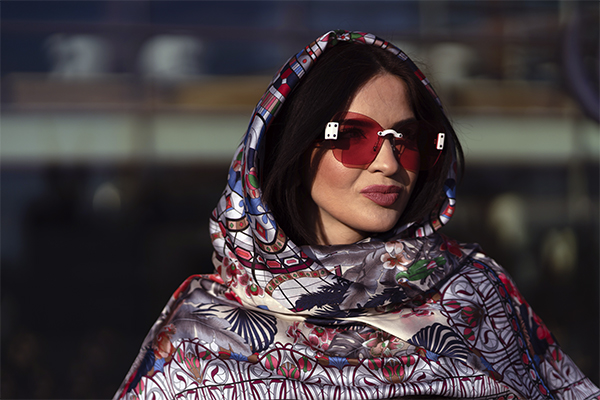
Clothing in Iran reflects law, tradition, and culture. Both men and women follow modest dress rules in public, while styles vary across cities and regions. Visitors see a mix of modern and traditional garments, with fabrics adapting to hot summers and cold winters. Dress conveys identity, respect, and social norms in daily life and special occasions.
Understanding the Rules
The Iranian dress code is not only cultural but also legal. Men and women must dress modestly in public. It is based on Islamic rules that define how much of the body should be covered.
For visitors, rules are less strict but still must be followed.
Women wear long sleeves, long trousers, and a headscarf to cover hair. Men wear long trousers and shirts with sleeves. Short pants or sleeveless shirts are not accepted in public places.
These rules apply everywhere–in the street, shops, and offices. In private homes or in some hotels, people dress more freely.
Dress Code for Women
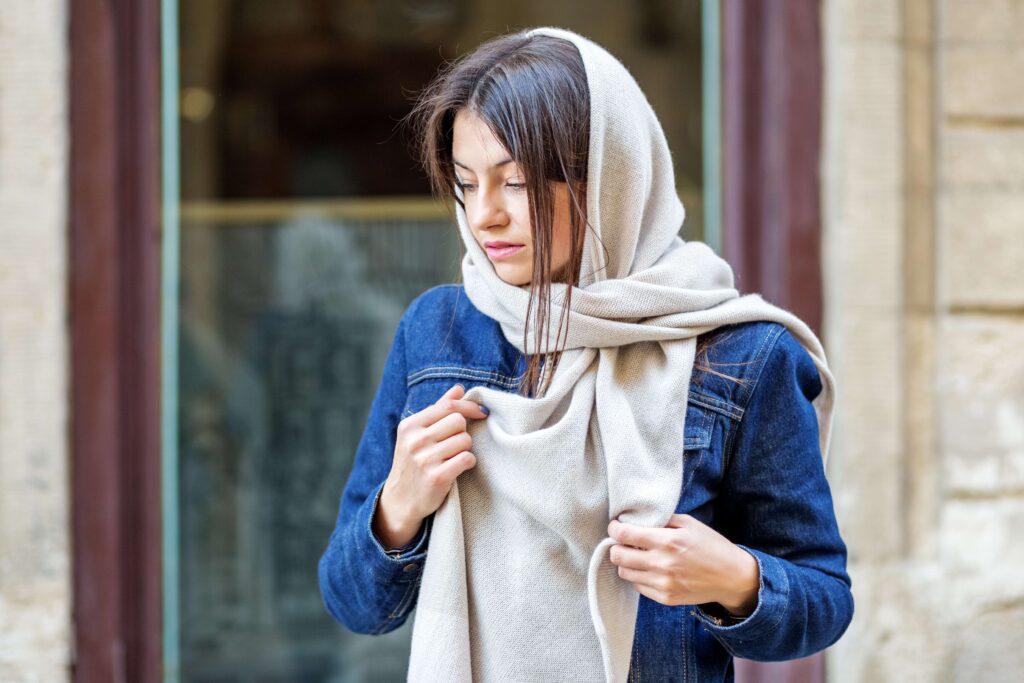
Women’s dress code is more detailed. Many local women wear manteau–a long coat that covers the body to the knee. Under it, they wear normal clothes. The scarf, called a hijab, covers the head but not always all hair. Colors can be light or bright; there is no rule that it must be black.
Many young women mix modern fashion with rules. They wear jeans, sneakers, and stylish scarves. Clothes are modest but colorful. In hot cities, fabric is light and airy.
Women’s Main Clothing Items
- Headscarf – must cover most of hair.
- Manteau–a long coat or tunic to cover body shape.
- Long trousers or skirt–ankles covered.
- Closed shoes or sandals–usually accepted.
Sometimes tourists wear loose shirts with long sleeves and long trousers and a scarf. This is fine if it looks modest.
Dress Code for Men
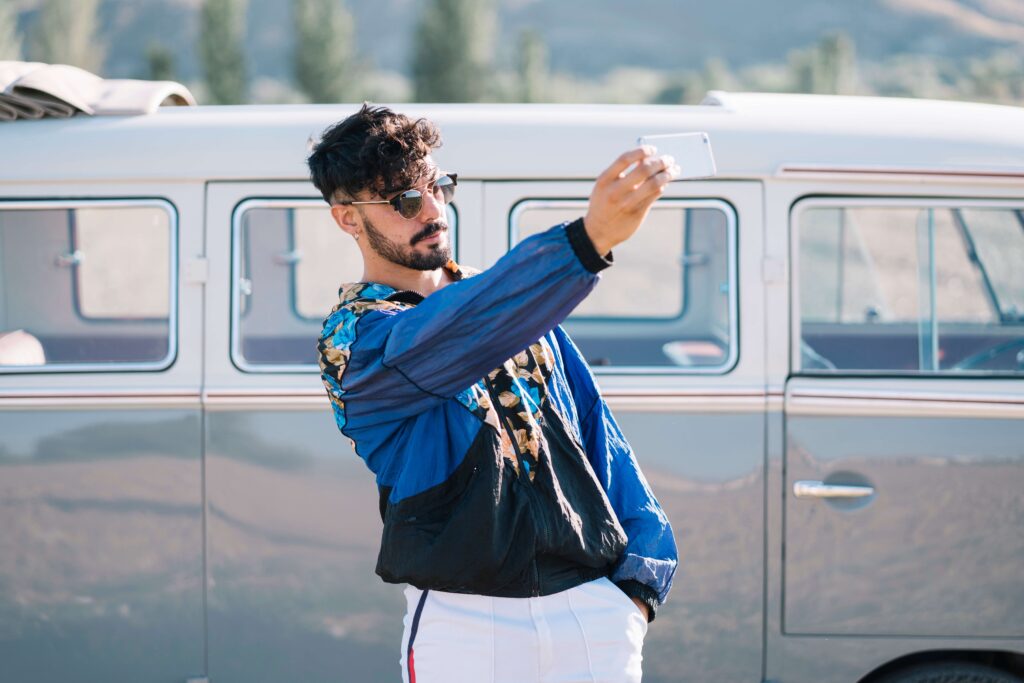
Men’s rules are simple. Shorts are not allowed in public, even for tourists. Shirts must have sleeves, and the chest should not be open. Jeans, cotton trousers, and simple shirts are common.
In offices, formal clothing such as shirts and trousers is common. In small towns, style is more traditional, with long shirts or local clothing.
Men Usually Wear
- Long trousers made from cotton or jeans
- Shirt with short or long sleeves
- Closed shoes or sneakers
Men avoid tank tops, tight clothes, or short pants outside the house.
Seasonal Clothing in Iran
Iran has hot summers and cold winters. The dress code stays the same, but materials change.
People wear thin polyester, cotton, or linen in the summer. Women wear thicker manteaus and scarves in the winter, and men wear jackets or sweaters.
Most of the year, cities like Tehran, Isfahan, and Shiraz are warm. In the winter, though, Tabriz and Mashhad can be cold. People like to wear local fabric because it’s comfortable.
Cultural Meaning of Clothes
Dress in Iran shows more than modesty. It shows personal style, family background, and sometimes social status. Traditional clothes in some regions are very colorful, with embroidery or patterns. In the north and south, people still wear regional designs for ceremonies.
Urban people like modern style. They use soft makeup and styled scarves and combine fashion with the law. Clothing became a quiet way to show personality.
Public and Private Places
In private houses or family events, rules are softer. Women can take off their scarves and wear normal home clothes. At beaches or hotel pools, there are special rules–some allow women–only areas, others require modest swimwear.
Public transport, markets, and streets follow the same national dress code.
Dress Code for Tourists
Tourists are welcome if they follow rules respectfully. No one expects perfect local style–a modest look is enough. Women must cover their hair and wear long clothes from the first moment at the airport. Men must avoid shorts.
Wearing respectful clothes helps travelers feel comfortable and avoid problems.
Tips for Visitors
- Carry an extra scarf in a bag–in case one falls or gets lost.
- Choose light fabrics if traveling in the summer.
- Avoid tight clothes or transparent material.
- Watch how locals dress–it helps to adapt fast.
- Always keep the headscarf on in public.
Traditional Iranian Clothing
Before modern times, Persian clothes were full of color and pattern. Men wore long tunics and belts; women wore dresses with embroidery and jewelry. In villages, some people still wear them for celebrations or weddings.
In Yazd or Kurdistan, visitors can see traditional clothes during festivals.
Modern Fashion and Dress Code Today
Today, Iran has many fashion designers who create manteaus and scarves with new colors and forms. They make clothes that respect law but look stylish.
Local shops sell both traditional and modern items. Iranian youth like to express individuality through details–bag, shoes, and sunglasses.
Even with rules, fashion is alive. Many young Iranians find smart ways to be creative while staying respectful.
Comments are closed