
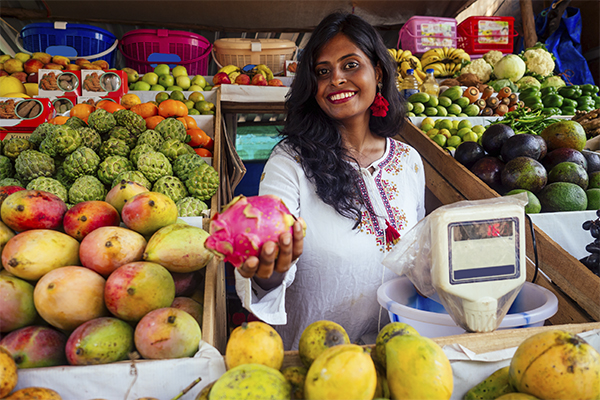
Travelers to India may experience stomach illness due to different bacteria, water quality, and climate. Most visitors stay healthy by following basic hygiene, safe food, and drink practices. Food varies across cities and regions, with cooked meals and bottled water commonly recommended. Understanding local habits helps maintain health during travel.
Understanding Why Tourists Get Sick
Many travelers face light stomach illness because of different bacteria and climate. Water, raw vegetables, or spicy food can confuse the body that is not used to it.
It is not dangerous most of the time, but it can spoil travel days. Prevention is easier than treatment.
India has millions of visitors every year, and most stay fine when they follow a few hygiene rules. Local people also use them daily, like for boiling water or eating cooked food.
Safe Food Choices
Street food smells delicious and looks colorful, but not all places keep perfect hygiene. In big cities like Delhi, Mumbai, or Jaipur, food stalls are everywhere. Some are clean and safe; others are not.
Visitors should eat where local people eat a lot. Busy stalls mean fast food turnover–fresh food and less risk. Avoid empty or dirty stands. Cooked dishes are safer than raw snacks.
Good Food Habits
- Choose food cooked in front of you.
- Avoid salads, ice, and unpeeled fruits.
- Prefer vegetarian meals–they are easier for the stomach.
- Eat small portions and watch how your body reacts.
- Wash hands before every meal.
Food in India is spicy, so it is smart to start with mild dishes. Yogurt helps digestion and reduces burning.
Water and Drinks
Water is the main reason for travelers’ stomach issues. Tap water is not safe for drinking or brushing teeth. Always use bottled or filtered water.
Ice cubes in drinks may come from tap water, so it is better to avoid them.
Tea and coffee are safe because boiling kills bacteria. Many travelers also use small filters or purification tablets when they go outside big cities.
Useful Rules for Water
- Drink only sealed bottled water.
- Check if the bottle cap is tight and new.
- Avoid fruit juices sold on the street.
- Use bottled water for brushing teeth.
- Keep oral rehydration salts for emergency.
These habits sound simple, but they help a lot during long trips in India.
Hygiene and Daily Care
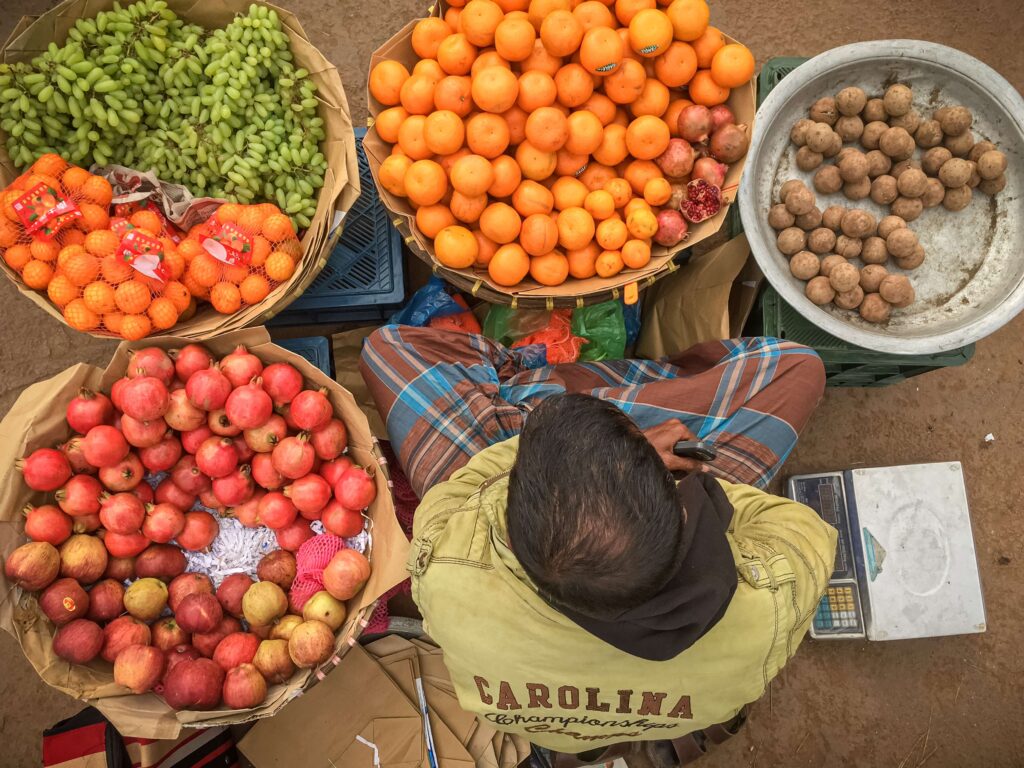
Hands bring most germs. Always carry a small sanitizer bottle. Use it after touching money or animals. In trains or buses, use wipes before eating snacks.
Public toilets may be simple–carry tissue and soap. Many locals use water jugs instead of paper.
Travelers who eat with their right hand (like locals) should remember: the left hand is for washing, not for food. This cultural rule also helps hygiene.
Some travelers take probiotics before a trip to build stomach resistance. Light medicine for diarrhea or headache is beneficial to carry.
Choosing Safe Street Food
Street food in India is full of flavor. Samosa, pani puri, vada pav–all tasty, but risky if not fresh. Clean stands, use gloves, and cover ingredients. Look for steam and hot oil–heat means safety.
In many cities there are popular food markets where hygiene is better, like in Mumbai’s Girgaum Chowpatty or Delhi’s INA market.
Famous Foods That Are Usually Safe
- Masala dosa – rice pancake cooked hot.
- Poha – soft rice flakes, mild and dry.
- Biryani – cooked rice with spice, always served hot.
- Idli and sambar–steamed food, clean and light.
- Chai tea–boiled milk and water, a very safe drink.
Eating where locals bring family is a positive sign. They know which seller keeps food clean.
Health and Climate Adaptation
India is big–hot coast, cold mountains, dry deserts. Travelers must adapt. Drink enough water, wear a hat, and rest in the shade. Heat exhaustion looks like weakness or headache. Avoid walking at noon.
Mosquito bites can spread diseases like dengue. Use repellent, cover arms and legs, and sleep with a net if needed. In large cities, hotels usually have nets or sprays.
Doctors and pharmacies are easy to find. In serious cases go to the hospital–they have English–speaking staff in tourist areas.
Common Myths About Getting Sick
Some travelers think any street food is dangerous. Not true–locals eat it daily. The real problem is poor hygiene or water.
Others believe that only vegetarian food is safe. Meat can also be fine if it is cooked well.
Another myth–only foreign tourists get sick. Locals sometimes also have food poisoning when they eat at the wrong place. Good habits, not fear, protect health.
Medicines and What to Pack
It is smart to carry a small medical kit. Local pharmacies sell most medicines, but names can be different.
In your bag should be:
- Rehydration salts
- Anti–diarrhea tablets
- Hand sanitizer and wet wipes
- Bandages, antiseptic cream
- Travel–size thermometer
Travel insurance is also helpful for long stays. Keep local emergency numbers in your phone.
Adapting to Local Food Slowly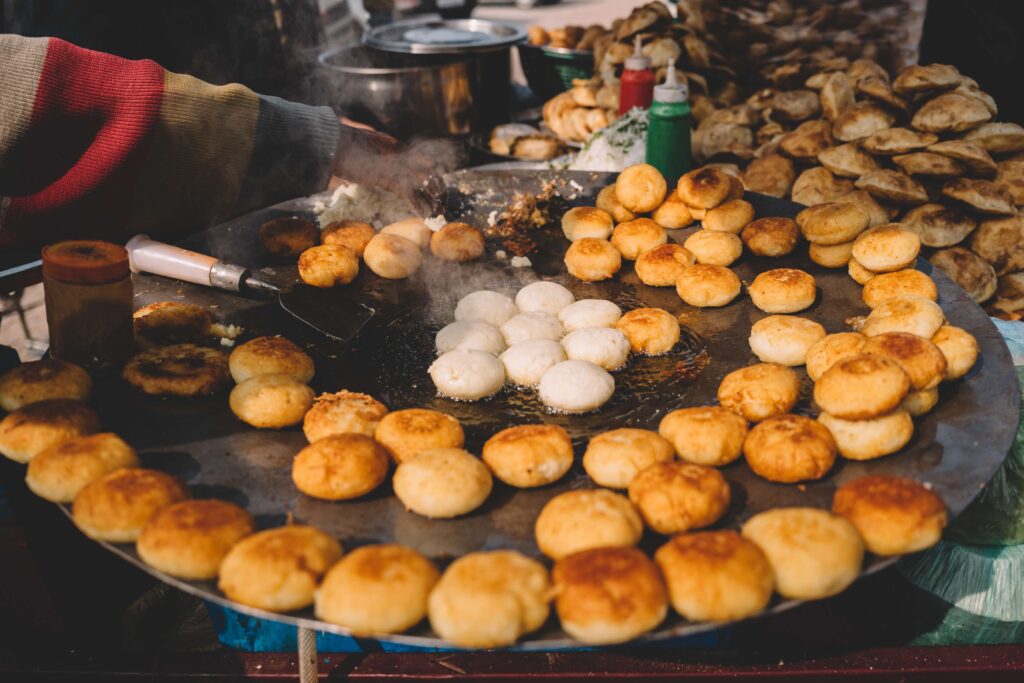
When people arrive, they should not eat too much on the first day. Let the stomach adjust. Try one dish at a time. After a few days, the body becomes stronger.
Many long–term travelers say, “Eat cooked, drink sealed, and peel fruits yourself.” It is a simple formula that works for everyone.
Avoid eating at railway stations or bus stops where food stands stay open too long without cleaning.
Healthy Travel Experience
Travel in India can be full of taste and smell–curry, chai, mango, and street snacks. To enjoy them safely, keep simple discipline. Respect food rules, drink clean water, and rest enough.
Thousands of travelers go across India every year, and most stay healthy. Clean hands, bottled water, and cooked food are small habits that make a big difference.
A healthy body means more energy to see temples, rivers, and mountains. Safe travel starts with smart eating.
Staying Strong While Exploring India
Avoiding sickness in India is not about fear–it is about respect for body and place. Food is part of culture, but it needs care.
When travelers follow clean habits, they can enjoy every plate of curry and every sip of chai without worry.
A healthy trip means a joyful memory, and simple rules make it possible.
Comments are closed