
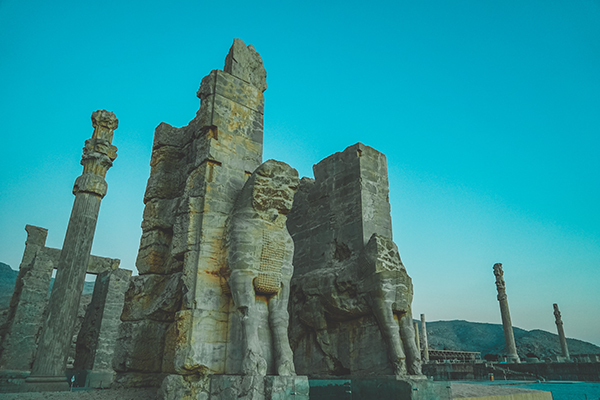
Persepolis is an ancient city in Iran, built by Achaemenid kings over 2,500 years ago. Walking through the ruins, visitors can see the power and art of Persia. The ultimate guide to visiting Persepolis explains what to see, how to plan a trip, and how to understand the history behind the stones. Every visitor can prepare in advance to make their experience meaningful and safe.
History of Persepolis
King Darius I established Persepolis in 518 BCE as the ceremonial capital of the Persian Empire. Later kings, such as Xerxes, expanded the city by constructing large palaces, terraces, and intricately carved stairs. The city was a place for royal events, big celebrations, and gifts from many countries in the empire.
In 330 BCE, Alexander the Great destroyed Persepolis, yet much of the stonework and bas–reliefs remain. These carvings show ancient Persian clothing, gifts, and social hierarchy. For travelers, the ruins tell stories of ceremonies, kings, and the wealth of an empire that controlled a large part of the world. Walking among the columns and reliefs helps people imagine life in ancient Persia.
Main Sites to Visit
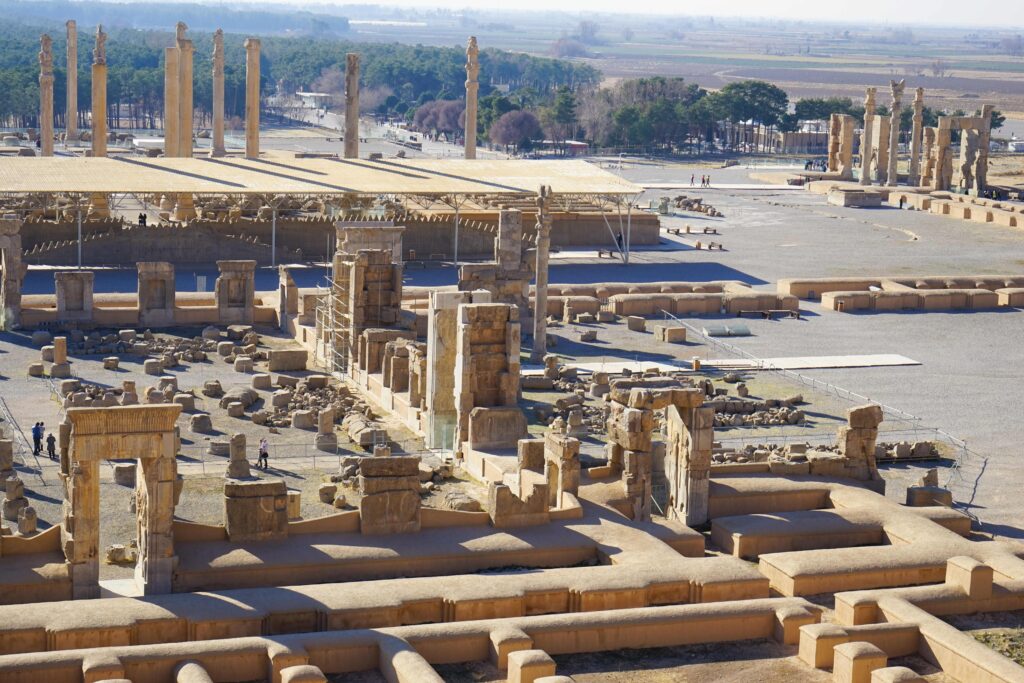
The Persepolis site includes several important buildings. Most are on a large terrace with connected paths. Visitors often start at the Gate of All Nations, built by Xerxes, where enormous stone bulls guard the entrance. This impressive structure leads to the Apadana Palace, a huge hall used for receptions, decorated with intricate bas–reliefs.
The Tachara Palace is smaller but just as detailed, and it lets visitors see royal architecture up close. People can see where the kings of the empire were buried because the Royal Tombs are carved into the side of a hill. The treasury area, which is mostly in ruins, shows how the Persians kept gold, gifts, and supplies. It can take two to three hours to visit these main sites. There are signs for walking paths, and you can’t climb on the ruins to keep them safe.
Planning Your Visit
The best time to go to Persepolis is spring or autumn. The weather is warm, not too hot. Summer is scorching, and winter is frigid with strong wind. Shoes for walking are needed because stones are uneven. Hat, sun cream, water–all must–haves for a long day visit.
Most travelers come from Shiraz. Public transport is small, so a taxi or tour is usual. Guided tours help with history, but a book or audio guide can give the same info. Tickets are needed to enter; it’s better to buy them before the crowds come.
Visitor Tips
- Get there early in the morning to avoid crowds and get the best light for taking pictures.
- Bring water and small snacks with you on the walk to stay hydrated.
- Learn a few simple Persian phrases so you can talk to staff and locals politely.
- Follow all signs and don’t touch carvings that are easy to break.
- Pay close attention; each bas–relief tells a story about old rituals and ceremonies.
Cultural Etiquette and Nearby Attractions
Persian culture values respect for historical sites. Visitors must dress modestly–shoulders and knees covered. Loud behavior or careless actions are not acceptable. Persepolis is near Naqsh–e Rostam, a necropolis with ancient royal tombs, which gives additional understanding of the empire. Travelers often combine both sites in one day.
Shiraz, the nearest city, provides accommodation, food, and other tourist services. Many visitors spend one or two nights there, using the city as a base to explore Persepolis, Nasir al–Molk Mosque, and local gardens. Local markets near Persepolis offer postcards, small souvenirs, and guidebooks. Bargaining is normal, but polite manners are important.
Food, Water, and Safety
Small stalls near the site provide water and light snacks. Travelers should bring bottled water, especially in summer. Eating fresh local bread or fruit is common. Trash disposal is enforced by staff, and visitors should be careful to keep the area clean.
Paths in Persepolis are mostly flat, but some stairs are steep. Children and the elderly need caution. Hats and sunglasses help protect from the sun. Personal belongings should be kept close; the site is generally safe, but crowded areas need attention.
Persepolis Experience
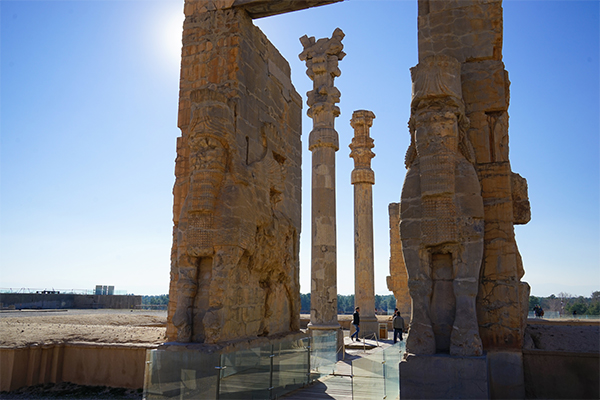 Visitors to Persepolis can see how big and creative the Persian Empire was by walking through it. Stone columns, carved stairs, and royal palaces show both power and art. Each relief tells a story about a king, a worker, or a country giving a gift. People can picture what ceremonies and rituals were like thousands of years ago.
Being polite improves things. If you take the time to look at the details, read the plaques, or use guides, you can get a better idea of how complicated the empire was. You can learn a lot about the art, culture, and government of ancient Persia in just a brief visit.
Comments are closed