
When walking in Iranian cities, people smell grilled meat, fried dough, and warm bread. The culture of Iranian street food shows everyday life–simple, friendly, and full of taste. From Tehran to Shiraz, small carts and shops serve quick snacks with big flavor.
History and Street Food Tradition
Street food in Iran is not new. For hundreds of years, people sold hot soup and bread on bazaar corners. Today, it mixes old Persian recipes with modern snacks. Vendors use cheap ingredients, rapid cooking, and a lot of spice smell.
In old times, food was sold from big pots carried by donkeys. Now, small trucks and stands use gas burners. Still, the goal is the same–warm food for people on the go.
Street food connects people. After work, families walk and eat together. Workers and students pause for snacks at night before heading home.
Popular Iranian Street Foods
Every city has local favorites. In the north, seafood and rice snacks. The south is known for its spicy stews. In Tehran, bread and kebab are everywhere.
Some dishes are national–you can find them in almost every market.
Top Street Foods in Iran
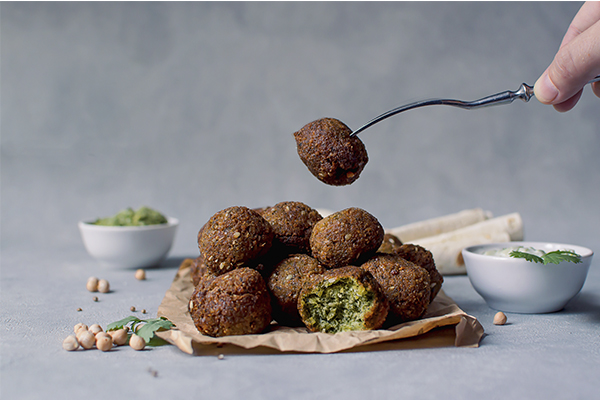
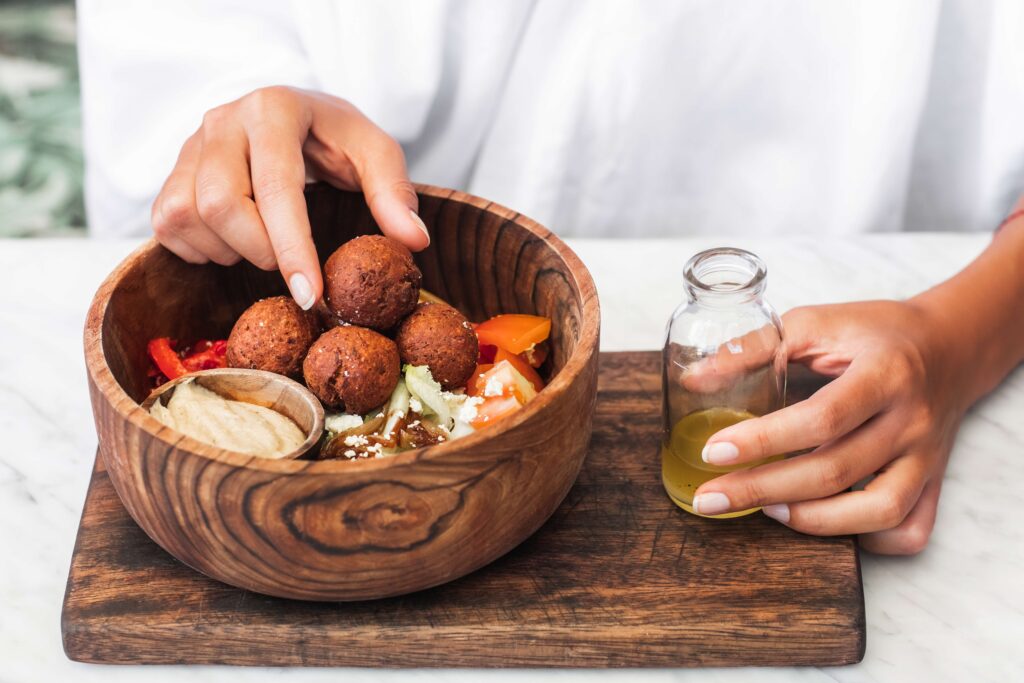
- Falafel – fried chickpea balls served in bread with pickles.
- Sosis bandari–spicy sausage stew from southern Iran.
- Ash reshteh – thick soup with noodles, beans, and herbs.
- Kebab koobideh – minced meat grilled on a skewer, served with bread.
- Baghali – boiled fava beans with salt and vinegar, popular in winter.
- Lavashak – a fruit leather snack, sour and sweet together.
- Sambooseh – fried triangle pastry with potato and herbs.
These foods are cheap, warm, and full of local taste. Vendors often give lemon or herbs on the side.
Drinks and Desserts on the Street
After spicy food, people drink doogh, a salty yogurt drink mixed with mint. It helps cool down the mouth.
Another common drink is chai, sweet black tea in small glass cups. It is served almost everywhere, even from thermoses on the street.
Famous Iranian Street Desserts
- Faloodeh – cold noodles with rose water and syrup, famous in Shiraz.
- Zoolbia bamieh–fried sweets soaked in sugar syrup during Ramadan.
- Saffron ice cream–yellow, fragrant, and often served between wafers.
- Halva – soft dessert from flour, sugar, and rose water.
Many of these desserts have a long history from Persian royal kitchens. Now they are everyday joy.
Street Food Culture in Cities
In Tehran, it stands open in the evening when traffic slows. Vendors near parks sell sandwiches, corn, and soup.
In Shiraz, people eat faloodeh at night with family.
In Tabriz, street food includes kebab and local sweets like qottab.
On the southern coast, especially in Bandar Abbas and Bushehr, spicy seafood snacks are famous.
Iranian people love to walk after sunset, when the air is cooler. Food stalls light small lamps, and smells fill the air. Street food becomes part of social life.
How Street Food Is Made
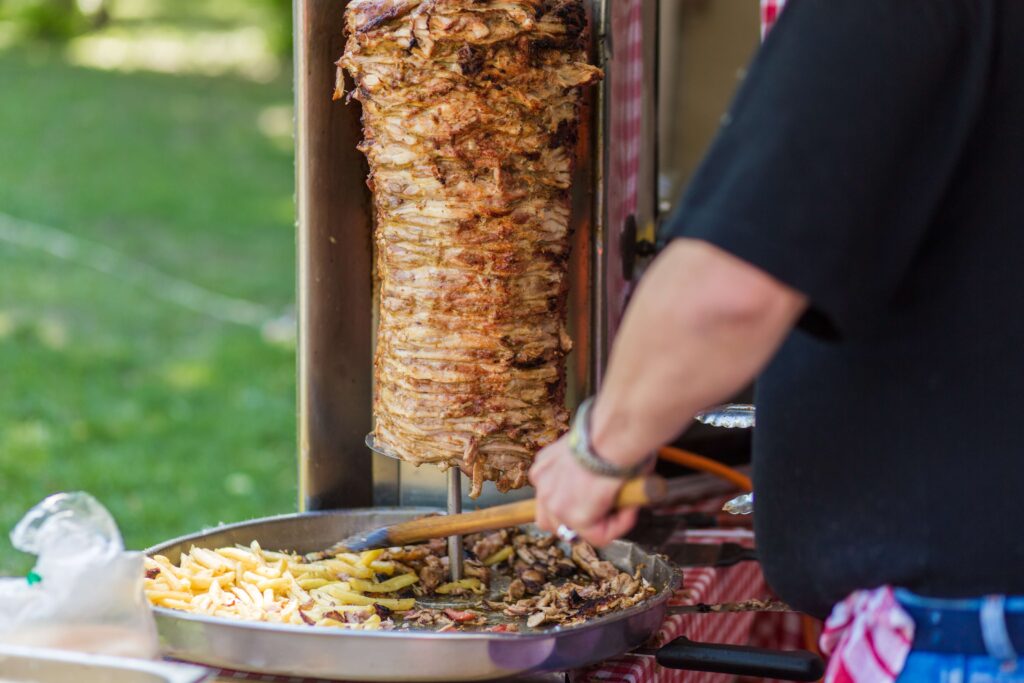
Many vendors prepare food in front of customers. Large pots boil soups, and flat metal plates fry dough or sausage. The oil smell is strong but pleasant.
Vendors keep recipes simple–few spices, fresh herbs, onion, and lemon juice. Bread is always served fresh, mostly lavash or sangak.
Cooking on the street is an art of speed. Some vendors sell hundreds of sandwiches each evening.
Healthy or Not?
Street food in Iran can be safe when cooked hot. Locals say, “Eat what you see cooking.” Avoid cold sauces or food left open for a long time.
Because vendors use simple ingredients, food is often fresh and cheap.
Travelers who worry about their stomachs can choose grilled items like kebab or boiled beans. Tea is always safe–boiled water kills germs.
Regional Street Food Specialties
Iran is large, and each region has its own flavor.
In the north–rice snacks, fish, and local herbs.
In the west–meat stews and bread from a tandoor.
In the south–chili, tamarind, and seafood.
In desert towns–dates, sweets, and tea.
Regional Favorites
- Bandari stew from the Persian Gulf coast–spicy and tomato–based.
- Kalleh pacheh–sheep head soup, early morning food.
- Eshkeneh–simple onion soup from rural Iran.
- Dolmeh – vegetables stuffed with rice and herbs.
- Nan berenji – small rice flour cookies from Kermanshah.
Street food tells the story of land and weather–what grows there becomes food.
Street Food During Festivals
Religious and national holidays make streets full of smells and people. During Ramadan, vendors sell sweets after sunset. During Nowruz, the Persian New Year, food carts sell nuts and dried fruits.
Some mosques give free food to the public–it is called nazri, a charity meal. It can be stew, rice, or soup served to everyone.
Music, light, and the sound of frying create a special atmosphere. Eating together is a form of celebration.
Modern Street Food Trends
Today, young people open food trucks. They sell burgers or wraps with Persian taste. Some mix falafel with fries and sauces.
Social media helps vendors become famous. People post photos of sandwiches, kebabs, and sweets with bright lights.
Iranian cities change, but street food stays strong. It connects tradition and new ideas.
Cultural Meaning of Street Food
In Iran, street food is not only about eating. It means community and sharing.
Friends stop at the same vendor every night. Families bring kids for ice cream. Even in small towns, the smell of soup or kebab means comfort.
Eating outside the home is a social ritual. It shows open heart and Persian hospitality.
Comments are closed